Are you a seasoned gamer feeling the pull of other life responsibilities, wondering how to balance your passion with real-world commitments? This comprehensive guide dives deep into how to replace gaming habits, offering practical strategies for busy US gamers averaging over 10 hours a week in virtual worlds. We understand the value you place on relaxation, skill-building, and social connection. Here, you will discover new fulfilling hobbies, effective time management techniques, and innovative ways to maintain social bonds outside traditional gaming. Learn to transition smoothly from extended play sessions to engaging activities that complement your lifestyle and contribute positively to your well-being. This resource is tailored for the average gamer around 36 years old, who juggles work, family, and personal growth, seeking genuine alternatives without sacrificing fun or community. Explore actionable tips to optimize your time and find new passions beyond the console or PC.
Why might a busy gamer seek to replace some gaming time?
Many adult gamers, often around 36 years old, find themselves juggling demanding jobs, family commitments, and personal aspirations. While gaming offers valuable stress relief and social connection, extended sessions can sometimes feel less fulfilling than skill-building or real-world engagement. The desire to explore new hobbies, enhance productivity, or simply achieve a better life balance often prompts a look into how to replace gaming, shifting focus to activities that offer similar rewards without the time sink.
What are effective alternatives to gaming for mental engagement and skill development?
Replacing gaming with activities that challenge your mind can be incredibly rewarding. Consider learning a new language, picking up a musical instrument, diving into coding tutorials, or exploring creative arts like digital painting or photography. These activities often provide a sense of progression and mastery akin to leveling up in a game, offering tangible skills and a deep sense of accomplishment. Many online platforms offer affordable courses, making skill development accessible.
How can I maintain social connections if I spend less time in online games?
Social gaming is a huge draw, with current trends showing robust cross-play and Discord communities. To replace gaming's social aspect, explore local clubs based on shared interests like board game nights, sports leagues, book clubs, or volunteer groups. Online, try community platforms dedicated to your new hobbies, or even organize virtual meetups for non-gaming activities with existing friends. It's about shifting the platform, not abandoning the connection.
Are there budget-friendly hobbies that offer similar thrills to competitive gaming?
Absolutely. For those competitive urges, consider disc golf, community sports leagues, or even strategic board games that can be played with friends. Many cities offer free or low-cost recreational activities. Learning a new skill, like woodworking or programming, can be done with initial low investment through online tutorials and open-source tools. The key is finding activities that offer challenges and a sense of progression without breaking the bank.
What practical steps can I take to gradually replace gaming habits?
Start small. Identify specific times you usually game and replace them with a planned alternative, even if it's just 30 minutes. Set clear goals, like "learn 10 Spanish words daily" or "read 20 pages before bed." Track your progress to stay motivated. Communicate with your gaming friends about your shift, and invite them to join you in new activities. Gradually increase the time spent on new hobbies as they become more ingrained.
How can I avoid the common pitfalls when trying to reduce gaming time?
Be aware of triggers that lead to excessive gaming, such as stress or boredom. Proactively plan alternative activities for those moments. Avoid simply "stopping" without a replacement; that often leads back to old habits. Don't fall for the "just one more match" trap. Be patient with yourself, as habit change takes time. Focus on the benefits you're gaining, like new skills, better sleep, or real-world connections, to stay motivated.
What emerging tech offers fulfilling non-gaming experiences for tech-savvy individuals?
Beyond traditional gaming, emerging tech provides exciting avenues. Virtual Reality (VR) isn't just for games; explore VR fitness apps, immersive travel experiences, or even creative tools for sculpting and design. Dive into coding for personal projects, learn about home automation, or experiment with 3D printing. These activities tap into the same analytical and creative drive that attracts many to gaming, offering real-world applications and tangible results.
For many US gamers, hitting that "play" button is more than just launching a game; it's a doorway to relaxation, challenge, and social connection. With 87% of US gamers regularly engaging, often for 10+ hours a week, gaming is a significant part of life for millions. But let's be real: as we mature, balancing epic raids with work, family, and personal growth can feel like a boss battle without a health bar. You love the camaraderie, the skill progression, and the pure escape, but maybe you're also wondering if there's a more sustainable way to enjoy life, or perhaps even discover new passions that offer similar rewards.
This isn't about quitting gaming cold turkey unless that's your goal. It's about exploring how to replace gaming with equally fulfilling activities, smartly integrating new hobbies, and optimizing your time so you feel more balanced and less overwhelmed. We're talking practical, no-nonsense strategies for the average gamer around 36 years old, who needs real solutions for limited time, budget considerations, and maintaining social circles. From finding exciting new outlets that scratch that competitive itch to building new skills or simply unwinding differently, we've got you covered. Let's dive into discovering a richer, more diverse life beyond the screen, without losing what you love.
Why might a busy gamer seek to replace some gaming time?
For many US adults, especially those around the average gamer age of 36, life balance becomes a significant challenge. You're likely managing a career, a family, and other personal responsibilities, all while cherishing the relaxation and fun gaming provides. While 87% of US gamers regularly engage, often clocking 10+ hours a week, a common pain point emerges: the guilt of time spent in virtual worlds versus real-world commitments. This isn't about ditching your passion, but rather recognizing when the scales tip too far. Perhaps you're feeling less productive, missing out on real-life social events, or seeing your physical well-being take a backseat. Understanding these motivations is the first step in exploring how to replace gaming with equally enriching activities, allowing you to reclaim time without sacrificing joy or social connection. The goal isn't necessarily to quit, but to diversify your leisure portfolio for a more balanced and fulfilling life.
Many gamers express a desire to build new skills or pursue long-dormant interests. The satisfaction of overcoming a difficult boss in a game is immense, but so is the pride of mastering a new instrument or completing a DIY project. The rise of hybrid work models has also shifted schedules, making structured leisure more appealing than endless scrolling or grinding. It's about optimizing your valuable free time to align with your broader life goals, ensuring your downtime genuinely recharges and enriches you.
What are some engaging, productive alternatives to gaming for skill-building?
If you love the grind of leveling up in games, imagine applying that same dedication to real-world skills. Replacing gaming time with new learning opportunities can be incredibly rewarding. Consider diving into coding, a highly sought-after skill that offers immense creative potential, whether it's building websites, developing apps, or automating tasks. Platforms like Codecademy or Coursera offer accessible entry points. Learning a new language, via apps like Duolingo or more immersive programs, not only boosts cognitive function but also opens up cultural experiences.
For those who enjoy strategy and problem-solving, picking up a musical instrument like guitar or piano can offer a similar sense of progression and mastery. Creative outlets like digital art, photography, or even writing can tap into your imaginative side, allowing you to produce tangible works. Many free tutorials are available on YouTube, or you can find affordable online courses on platforms like Udemy. Even practical skills like carpentry, gardening, or home improvement offer a sense of accomplishment and immediate, real-world utility. These activities mirror the challenge, progression, and rewarding feedback loops found in gaming, but with real-life benefits.
How can I maintain social connections if I spend less time in online games?
For many, gaming isn't just about the game itself; it's about the social fabric woven through cross-play, Discord chats, and co-op adventures. This month's trends continue to show social gaming as a dominant force. When you consider how to replace gaming, maintaining these crucial social bonds is often a top concern. The good news is, friendship isn't platform-locked. Start by transparently communicating with your gaming buddies about your desire to explore new hobbies and seek balance. Instead of just "logging off," suggest alternative group activities.
- Board Game Nights: Many modern board games offer incredible depth, strategy, and social interaction, appealing to the analytical mind of a gamer. Look for local cafes or clubs.
- Sports Leagues or Fitness Groups: Join a recreational soccer, basketball, or even bowling league. Group fitness classes or hiking clubs can be a great way to meet new people with shared interests in staying active.
- Volunteer Work: Giving back to your community through volunteering can introduce you to like-minded individuals and provide immense personal satisfaction.
- Hobby Clubs: From book clubs to cooking classes, photography groups to D&D campaigns, there are countless local organizations where you can connect over shared passions.
You can also leverage platforms like Meetup.com to find groups in your area. Invite your existing gaming friends to try one of these new activities with you. They might just discover a new passion alongside you, strengthening your bond in a new way.
Are there budget-friendly hobbies that offer similar thrills to competitive gaming?
Gaming can be an expensive hobby, between new releases, hardware upgrades, and in-game purchases. When exploring how to replace gaming without breaking the bank, many affordable options can still deliver that adrenaline rush or competitive edge. Consider disc golf, which requires minimal equipment (a few discs) and is played in public parks, making it free after the initial purchase. Many communities offer recreational sports leagues for a small seasonal fee, providing intense competition and teamwork.
Strategic card games or even local chess clubs can satisfy intellectual hunger and competitive drive with very low investment. Hiking and trail running are excellent for those who enjoy exploration and challenging themselves physically, with only the cost of decent shoes. Learning an instrument can start cheaply with a used ukulele or harmonica, and free online tutorials. Even starting a blog or learning graphic design can be budget-friendly, leveraging free software and online resources. The thrill comes from progress and personal challenge, not necessarily a high price tag. Many free-to-play social games still exist if you want a lighter, less time-consuming gaming fix without financial commitment.
What practical steps can I take to gradually replace gaming habits?
Successfully transitioning from heavy gaming to a more diverse leisure life requires a thoughtful, gradual approach. Don't expect an overnight transformation; habit change takes time and consistent effort. Here’s a roadmap for how to replace gaming effectively:
- Identify Your Triggers: When do you game most? Is it out of boredom, stress, or habit after work? Understanding your triggers helps you prepare alternatives.
- Schedule New Activities: Just as you'd schedule a raid, schedule your new hobby time. Block out specific slots in your calendar for learning, exercise, or social meetups. Start with small, achievable blocks, like 30 minutes a day.
- Set Realistic Goals: Instead of "stop gaming," aim for "game 3 fewer hours this week" or "complete one language lesson daily." Small wins build momentum.
- Find Accountability: Share your goals with a friend or family member. Better yet, invite them to join you in a new activity.
- Create Friction for Gaming: Make it slightly harder to game. Unplug your console, move your PC setup, or log out of gaming launchers. Make it easier to access your new hobbies.
- Track Your Progress: Seeing how much time you've dedicated to your new passions can be incredibly motivating. Use a journal or an app to log your achievements.
- Embrace Imperfection: You'll have days where you fall back into old patterns. Don't beat yourself up; simply acknowledge it and refocus on your plan for the next day.
This systematic approach helps integrate new habits smoothly, ensuring a sustainable shift without feeling deprived.
How can I avoid common pitfalls when trying to reduce gaming time?
Trying to change long-standing habits like gaming can present unique challenges. One major pitfall is attempting to stop cold turkey without a clear replacement plan. This often leads to boredom, increased stress, and eventually, a relapse. Another common mistake is failing to address the underlying reasons for excessive gaming, whether it's stress relief, social connection, or escapism. Simply removing the game won't resolve these deeper needs.
Here are key pitfalls to avoid when learning how to replace gaming:
- Lack of a Plan: Don't just "stop gaming." Have specific, exciting alternatives ready to fill the void.
- Ignoring Triggers: Understand what makes you want to game. If it's stress, find healthy stress-relief alternatives like exercise or meditation. If it's boredom, have a list of engaging activities handy.
- Unrealistic Expectations: Habit change is a marathon, not a sprint. Expect ups and downs, and don't get discouraged by a slip-up.
- Isolating Yourself: If gaming was your primary social outlet, make sure your new activities involve social interaction to avoid loneliness.
- Underestimating Withdrawal: You might experience irritability or restlessness initially. Recognize these feelings as part of the process and push through them by engaging with your new hobbies.
- Neglecting Self-Care: Ensure you're getting enough sleep, eating well, and exercising. A healthy body and mind make habit change significantly easier.
By proactively addressing these challenges, you can build a more resilient strategy for sustainable change.
What emerging tech offers fulfilling non-gaming experiences for tech-savvy individuals?
For gamers who love technology, thinking about how to replace gaming doesn't mean abandoning tech altogether. In fact, many emerging technologies offer incredibly engaging and productive experiences that tap into similar interests in innovation and problem-solving. Virtual Reality (VR), for example, is rapidly expanding beyond traditional gaming. Explore VR fitness apps like Supernatural or Beat Saber, which offer intense workouts in immersive environments. VR also provides incredible travel and exploration experiences, allowing you to visit historical sites or exotic locales from your living room, or even engage in creative arts like 3D sculpting and painting.
Beyond VR, consider diving into the world of smart home automation, where you can program and optimize your living space, much like optimizing a game build. Learn basic robotics with kits like Arduino or Raspberry Pi, which combine coding with hands-on construction. Get into 3D printing and design, creating tangible objects from your digital models. Even experimenting with AI art generation or learning data science skills can be incredibly stimulating and future-proof. These activities provide a sense of progression, skill acquisition, and creative expression, all within the tech realm that you already appreciate.
How do I find the 'right' non-gaming activity for my personality?
Finding an activity that genuinely resonates with you is key to long-term success when exploring how to replace gaming. Think about what aspects of gaming you enjoy most. Do you love the competitive challenge? The creative freedom? The social interaction? The exploration? Once you pinpoint these core motivators, you can look for real-world equivalents.
- If you love competition: Consider local sports leagues, martial arts, strategic board game clubs, or even competitive cooking.
- If you love creativity: Explore painting, drawing, writing, photography, digital art, music production, or even coding for artistic projects.
- If you love social interaction: Look for volunteer groups, book clubs, D&D groups, community theater, or group fitness classes.
- If you love exploration and discovery: Try hiking, geocaching, urban exploration photography, learning about local history, or traveling to new places.
- If you love problem-solving: Dive into coding, puzzles (jigsaw, escape rooms), DIY projects, car mechanics, or learning about complex systems.
- If you love relaxation and mindfulness: Yoga, meditation, gardening, fishing, or even just reading can provide a peaceful escape.
Don't be afraid to try several things. Many successful transitions involve experimenting with a few different hobbies before finding the perfect fit. The goal is to find activities that genuinely excite you and provide similar fulfillment to your gaming experiences.
Can a balanced approach to gaming and new hobbies truly work?
Absolutely. For the average US gamer, especially those balancing demanding adult lives, the goal isn't always to completely stop gaming, but rather to achieve a healthier balance. This hybrid approach allows you to retain the social connections and relaxation benefits of gaming while integrating new, enriching activities. It's about intentional engagement rather than mindless habit. By consciously setting limits – perhaps designated gaming nights or specific time slots – you prevent gaming from consuming all your leisure time.
Many adult gamers find immense satisfaction in a diversified leisure portfolio. Imagine an evening starting with a focused coding session, followed by an hour of relaxed gaming with friends, and ending with reading a good book. This strategy allows you to gain new skills, maintain social bonds both online and offline, and ensure you're getting a variety of mental and physical stimulation. This month's trends show a growing interest in 'cozy gaming' and shorter session multiplayer games among busy adults, reflecting this desire for balance. By consciously managing your engagement, you truly learn how to replace gaming in a way that enhances your overall well-being.
Navigating the balance between your passion for gaming and your broader life aspirations is a journey many US gamers embark on. This guide on how to replace gaming isn't about shaming your hobbies but empowering you to craft a leisure life that's richer, more diverse, and deeply aligned with your personal growth. From skill-building and new social avenues to budget-friendly thrills and tech-focused exploration, the world beyond your screen is brimming with possibilities. Remember, gradual changes, intentional planning, and self-compassion are your most powerful tools. Embrace the experiment, find what truly sparks your interest, and build a life where every moment, whether in-game or out, contributes to your happiness and fulfillment.
What's your biggest gaming challenge when it comes to finding balance? Or perhaps you've already found an amazing alternative? Share your experiences and insights in the comments below! Let's build a supportive community of gamers thriving both in and out of the virtual world.
FAQ
What if I only enjoy gaming and nothing else?
It's common to feel that way. Start by reflecting on *why* you enjoy gaming – is it the challenge, the story, the social aspect? Then, try experimenting with activities that share those core elements, even if they seem different initially. You might surprise yourself with what you discover.
How do I tell my gaming friends I'm cutting back?
Be honest and direct, but also positive. Explain that you're seeking more balance or exploring new hobbies, and reassure them you still value their friendship. Suggest trying an offline activity together, like board games or a movie night, to maintain your connection.
Is it possible to still game occasionally without falling back into old habits?
Yes, absolutely. The key is setting clear boundaries and sticking to them. Designate specific gaming times, perhaps 1-2 hours on weekends, and use timers. Focus on playing with friends rather than solo grinding. The goal is mindful enjoyment, not uncontrolled habit.
What if I try a new hobby and don't like it?
That's perfectly normal! Not every new venture will be a perfect fit. The important thing is that you tried. Don't view it as a failure, but as a learning experience. Move on and try something else that captures your curiosity. The process of discovery is part of the fun.
Are there apps or tools to help manage gaming time?
Many operating systems offer built-in screen time controls (e.g., Apple's Screen Time, Android's Digital Wellbeing). Third-party apps like Cold Turkey (PC) or Freedom (multi-platform) can block gaming sites or applications during designated focus times. Timers are also very effective for self-regulation.
Discover new fulfilling hobbies beyond gaming.Learn effective time management strategies.Maintain social connections outside virtual worlds.Balance gaming with real-life responsibilities.Find value for money in new leisure activities.Optimize personal well-being and skill development.
34


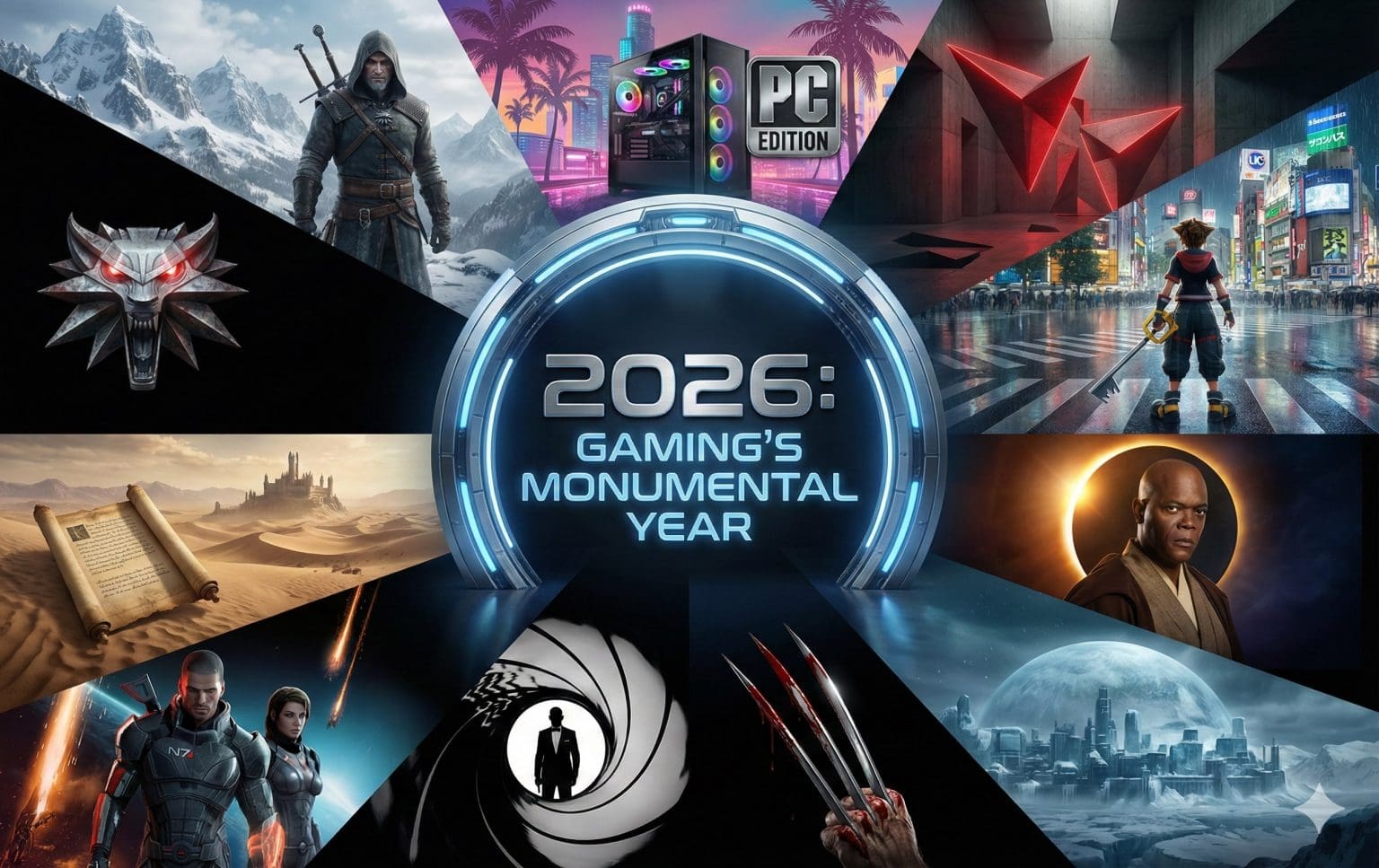

How To Choose The Right Gaming PC In 2026 Complete Guide Complete Guide 1200x675 . How To Build Your Dream Gaming Setup In 2026 How To Build Your Dream Gaming Setup.webp. 10 Best Gaming Phones In 2026 10 Best Gaming Phones 2026 Main . 10 Much Awaited Games Set To Launch In 2026 Games To Launch 2026 1536x967 . Best Budget Gaming Setup In 2026 Full Guide For Beginners Budget Friendly Gaming Setup In 2026

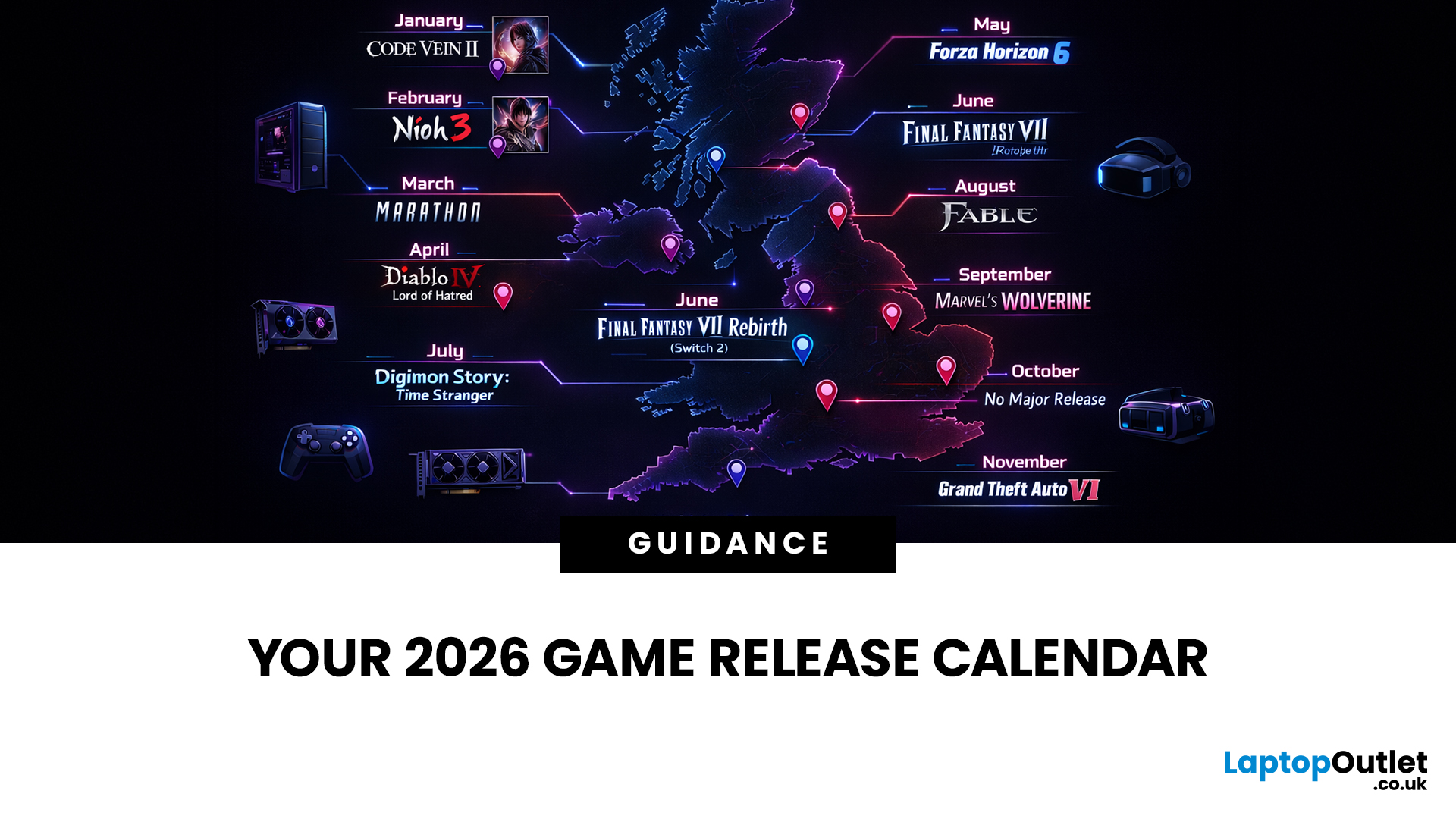


Top 10 Most Anticipated Games Of 2026 What To Watch Out For TVN GAMES IN 2026 . 2026 Game Releases Full Upcoming Games Calendar Release Dates PS5 Game Releases Full Calendar Release Dates Main . 2026 Upcoming Games And Game Release Dates Guide 2026 Upcoming Games Release Dates . CES 2026 Gaming Tech Upgrades Worth Saving For Gamer Org A Sleek Youtube Thumbnail Design Featuri X StUQ 8QkStm Y2qCcixx8Q . Otro De Los Juegazos De Xbox Game Pass De 2026 Ya Tiene Fecha De Replaced Delayed 2024



Video Games 2026 Ones To Watch Part 2 Quest Daily 2026 Games Pt 2 . 2026 In Gaming Releases What Are We This Year Blogs 2026 Gaming 2 . Prime Video Yankees Games 2026 Full Schedule And How To Watch Nj Com . Best Gaming ISPs For 2026 GAMES GG Medium Best Gaming IS Ps For 2026 8b365c02c1 . 2026 Games Release Schedule Everything Coming Out This Year 2026 Most Anticipated Games



Playing The Game In 2026 Missing Map Voting LevelUpTalk Gameplay In 2026 01 28 2026 35b295ad 7093 45bd 87ed. 8 NEW GAMES That Will ABSOLUTELY CHANGE The GAMING INDUSTRY In 2026 . The Most Anticipated Games Of 2026 That Gamers Can T Wait For 20250822 Most Anticipated Games Of 2026 . Video Games 2026 Key Trends Shaping The Future Of Play Mavigadget Blog 696x696 . What Are The Top Upcoming Games In 2026 Every Gamer Should Watch Game 1024x683

Video Games 2026 Ones To Watch Part 1 Quest Daily 2026 Games Pt 1 . Upcoming Games 2026 Full Video Game Release Calendar Beebom 2026 Games Release Schedule . TOP 21 NEW Upcoming Games Of 2026 YouTube . 2026 Games For Change Festival Confirmed For July Return 2026 Games For Change Festival Logo . 2026 Is Already Packed With Highly Anticipated Games MegaGames 2026 Is Already Packed With Highly Anticipated Games 01 920x520




20 Most Anticipated Video Games Of 2026 Page 5 1200x675 . The 94 Most Exciting Games Of 2026 Eurogamer Net 2026 Best . How To Replace IPhone Battery Your 2026 DIY Guide How To Replace Iphone Battery Repair Guide . How To Watch The 2026 Mayhem Classic Livestream BOXROX Rebel Renegade Games 2026 1024x576 . Best Gaming Laptops At CES 2026 RTX 5090 Options Dual Screen Picks Lenovo Legion Pro Rollable Concept


10 Upcoming Games Of 2026 That Will Change Gaming Forever GTA 6 Hqdefault . Maximize PC Performance In 2026 Best Windows Settings For Gaming 2026 Banner.webp. Top 5 New Games You Should Be Streaming In 2026 GETREKT Top 5 Stream 2026 6bdddd73 9416 444e Bc3c . PC Eurogamer Net 2026 Gaming Resolution