Ever wondered about the tech behind some of your favorite older games or why certain legacy titles dont quite run the same today Understanding what is Adobe Gaming SDK is key to unraveling these mysteries. This guide delves into the Adobe Gaming SDK a once prominent set of tools that empowered developers to create compelling games for web desktop and early mobile platforms. While largely a historical artifact now its influence on the evolution of casual and cross-platform gaming is undeniable. For busy gamers juggling work family and personal time exploring these foundational technologies can offer a richer appreciation for the games we love. Discover how this SDK helped shape the landscape of digital entertainment and what its legacy means for both developers and players in 2026. Get ready to explore a vital piece of gaming history that still impacts how we view game development and preservation today. This resource is perfect for those who want to understand the foundational tech that paved the way for todays diverse gaming experiences.
What exactly is the Adobe Gaming SDK and what did it do
The Adobe Gaming SDK was a collection of tools and programming interfaces from Adobe designed to help developers create games using Adobe Flash Player and Adobe AIR. It provided functionalities for 2D graphics sound management user input and more making it easier to publish games across web browsers desktop computers and early mobile platforms like iOS and Android. Essentially it empowered Flash developers to transition into diverse gaming markets.
Why would I, as a modern gamer, care about something like the Adobe Gaming SDK
As a modern gamer, understanding the Adobe Gaming SDK provides insight into the history of game development. It explains why some older, beloved games, especially web-based Flash games or early mobile titles, might be difficult to access or play today. It also highlights the evolution of game technology and the efforts communities are now making to preserve these legacy games, allowing you to revisit nostalgic experiences.
When was the Adobe Gaming SDK most relevant in the gaming world
The Adobe Gaming SDK was most relevant in the gaming world from roughly 2010 to 2014. This period coincided with the rapid expansion of mobile app stores and a strong interest in cross-platform development for casual and 2D games, leveraging the widespread adoption of Flash Player on the web and the versatility of Adobe AIR for desktop and mobile deployment.
How did the SDK help developers create games for different platforms
The SDK primarily helped developers create games for different platforms by enabling them to write code once in ActionScript 3 and then compile or package it for multiple targets. This included publishing games as SWF files for web browsers, native executables for desktop operating systems via AIR, and native applications for iOS and Android. This cross-platform approach significantly reduced the development time and resources needed.
Is the Adobe Gaming SDK still a part of current game development tools
No, the Adobe Gaming SDK as a dedicated, actively supported product from Adobe is no longer part of current game development tools. While Adobe Animate (the successor to Flash Professional) can still create game assets and export to formats like HTML5 Canvas or AIR, the specific SDK dedicated to gaming has been deprecated as the industry has shifted to more performant and specialized game engines like Unity and Godot.
What exactly did the Adobe Gaming SDK offer game developers
The Adobe Gaming SDK was a set of tools primarily designed to help developers create games using Adobe Flash Player and Adobe AIR. It provided APIs, frameworks, and extensions that facilitated tasks like 2D rendering, sound management, input handling, and platform-specific features, making it easier to publish games across various devices including web browsers, desktop computers, and early mobile platforms like iOS and Android. This allowed Flash developers to transition their skills to more diverse gaming landscapes.
Why was the Adobe Gaming SDK considered a significant tool during its prime
During its heyday, the SDK was significant because it leveraged the widespread adoption of Flash Player on the web and the cross-platform capabilities of Adobe AIR. Developers could write code once and deploy games to multiple targets, which was a huge advantage for indie studios and smaller teams. It democratized game development to an extent, allowing a broader range of creatives to enter the market with relatively accessible tools and a familiar coding environment, particularly for 2D and casual games.
How did the Adobe Gaming SDK contribute to the mobile gaming boom
The SDK played a role in the early mobile gaming boom by allowing Flash and AIR developers to package their games as native applications for iOS and Android devices. While not always the most performant solution compared to native development, it offered a quicker entry point for developers familiar with Adobe's ecosystem to publish games on burgeoning app stores. Many early mobile titles, especially casual ones, leveraged AIR and the SDK to reach a wider audience without having to re-code from scratch for each mobile OS.
What were the main limitations or drawbacks of using the Adobe Gaming SDK
Despite its benefits, the Adobe Gaming SDK had limitations. Performance could be an issue, especially for graphics-intensive games or on less powerful mobile hardware, as it ran on top of the AIR runtime. It also faced challenges with memory management and debugging compared to more optimized native toolkits. Over time, as mobile platforms evolved and native development tools matured, the SDK struggled to keep pace with the demands for higher performance and richer 3D graphics, leading to its eventual decline in popularity.
Is it possible to still access or use the Adobe Gaming SDK for new projects today
While the core technologies like Adobe AIR still exist (now managed by Harman), the specific "Adobe Gaming SDK" as a standalone, actively supported product has largely been deprecated by Adobe. Developers can still use Adobe Animate to create content that can be exported via AIR, but modern game development largely relies on other engines and SDKs. Finding up-to-date documentation or community support for the old Gaming SDK itself would be challenging for new projects, making it impractical for contemporary game creation.
What modern game engines or tools are considered successors to the Adobe Gaming SDK's vision for 2D and casual games
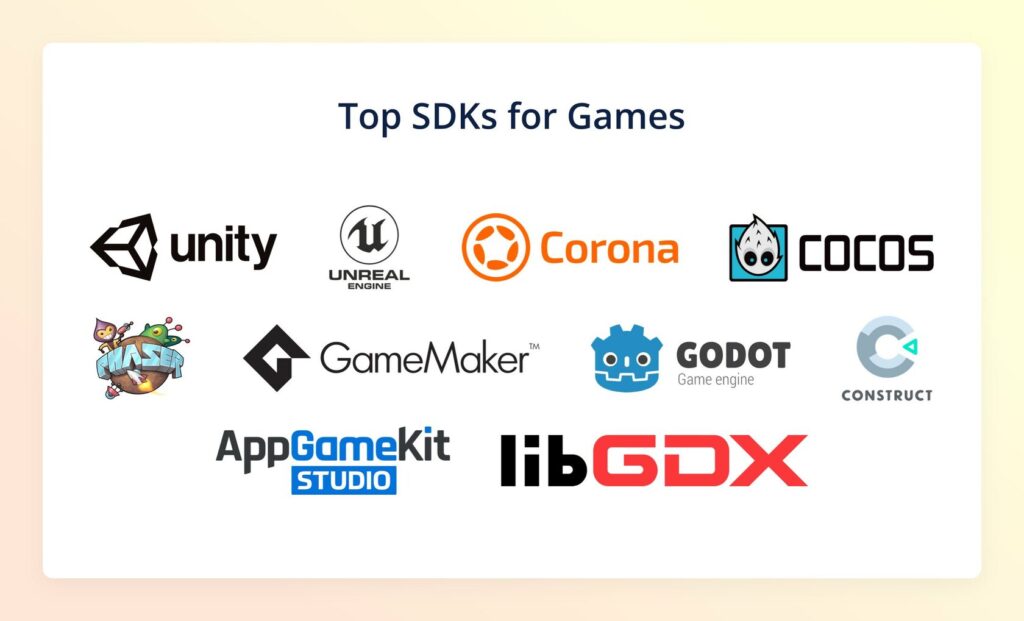
Today, developers looking for cross-platform 2D and casual game development have numerous powerful options. Unity and Godot are popular choices, offering robust 2D toolsets and wide platform support. GameMaker Studio and Construct are excellent for beginners and rapid prototyping, inheriting some of the accessibility principles that made Flash and AIR appealing. These tools provide superior performance, extensive community support, and modern features that surpass what the old Adobe Gaming SDK could offer.
How did the Adobe Gaming SDK influence game preservation and the playability of older titles
The legacy of the Adobe Gaming SDK and Flash Player means that many older web and desktop games rely on these now-deprecated technologies. Game preservation efforts, such as initiatives like Flashpoint, actively work to archive and make these games playable through emulators or custom runtimes, as browsers no longer support Flash. For gamers who enjoyed these titles, understanding the SDK helps appreciate the technical hurdles involved in keeping digital history alive and revisiting those nostalgic experiences.
Ah the world of gaming It is a constant evolution of pixels stories and tech breakthroughs For many of us gamers averaging around 36 years old who balance raiding with real-world responsibilities gaming is about more than just entertainment It is relaxation skill-building and a vital social outlet But sometimes you run into an older game or a piece of tech that makes you scratch your head Ever tried to revisit a beloved classic only to find it wont run Or wondered why some older mobile games felt a certain way Chances are a piece of history like the Adobe Gaming SDK might be part of the story.
You see the gaming landscape shifts rapidly Today 87% of US gamers play regularly often clocking in over 10 hours a week across various devices with mobile gaming leading the charge But before the ubiquitous presence of powerful engines like Unity or Godot there were other tools that shaped the industry and helped developers bring their visions to life. One such tool was the Adobe Gaming SDK Understanding what is Adobe Gaming SDK is not just a trip down memory lane its about recognizing the foundations that paved the way for todays incredible gaming experiences and even helps us understand how to preserve those cherished older titles. Let us dive in and demystify this important piece of gaming tech.
What is the Adobe Gaming SDK Exactly
The Adobe Gaming SDK was a collection of tools and APIs developed by Adobe primarily to help game developers create and deploy games using Adobe Flash Player and Adobe AIR Adobe Integrated Runtime. Essentially it extended the capabilities of these platforms allowing creators to build more robust and feature-rich games. Think of it as an expansion pack for developers giving them specialized functions for 2D graphics sound input and even platform-specific features that were crucial for releasing games across different devices and operating systems. It was a bridge for Flash developers wanting to reach broader audiences beyond the web browser.
Why Was the Adobe Gaming SDK Important for Developers
During its prime the Adobe Gaming SDK offered a significant advantage especially for developers already familiar with the Adobe ecosystem like Flash Professional now Adobe Animate. It allowed them to leverage a single codebase or a very similar workflow to target multiple platforms. This meant they could build a game once and deploy it to web browsers via Flash desktop applications via AIR and even early iOS and Android mobile devices. For indie developers or smaller teams with limited resources this cross-platform capability was a game-changer saving immense time and effort compared to developing natively for each platform.
How Did the SDK Impact Mobile Game Development
The SDK played a crucial role in the early days of mobile gaming particularly for casual 2D titles. Before the dominance of highly optimized native mobile engines the Adobe Gaming SDK provided a pathway for Flash developers to enter the mobile market. Games developed with Flash and AIR could be packaged as native apps for iOS and Android. While these games sometimes faced performance limitations compared to fully native applications they allowed a rapid influx of content onto the nascent app stores making mobile gaming more accessible and diverse in its initial growth phases. Many early mobile hits owe some of their existence to this technology.
Is the Adobe Gaming SDK Still Used Today
In its original form as a distinct and actively developed Adobe product the Adobe Gaming SDK is no longer maintained or widely used. Adobe shifted its focus away from a dedicated gaming SDK as the landscape evolved. Flash Player which was central to much of its utility reached its end-of-life in 2020 and web browsers no longer support it. While Adobe AIR the runtime component that allowed Flash content to run as desktop and mobile apps is still supported it is now managed by HARMAN and not directly by Adobe for active game development SDKs. So for new projects developers have moved on to more modern robust engines.
What Replaced the Adobe Gaming SDK
The void left by the Adobe Gaming SDK and the general decline of Flash for game development was quickly filled by a new generation of game engines and development environments. For 2D and mobile games the most prominent successors include Unity and Godot. These engines offer superior performance richer features extensive platform support and large active communities. Other popular tools like GameMaker Studio and Construct continue the spirit of accessible 2D game creation. These modern tools provide optimized rendering powerful physics engines and robust debugging capabilities that far surpass the capabilities of the legacy SDK.
How Does This Affect Playing Older Flash or AIR Games
The deprecation of Flash Player and the Adobe Gaming SDK means that many beloved older web-based Flash games are no longer directly playable in modern browsers. This can be a pain point for gamers seeking a dose of nostalgia. However dedicated communities and preservation projects like Flashpoint have emerged to archive and make thousands of these games playable again through special emulators and custom runtimes. For desktop AIR games they might still run on older systems or with specific versions of the AIR runtime but compatibility can be hit or miss. It is a testament to the communitys passion for digital history.
What Alternatives Do Developers Use Now for 2D Games
Today's developers have an embarrassment of riches when it comes to creating 2D games whether for mobile PC or console. Here are some top alternatives:
- Unity: A powerhouse for both 2D and 3D games with extensive tools a massive asset store and support for nearly every platform imaginable. Its highly flexible and great for complex projects.
- Godot Engine: An open-source and free alternative gaining massive popularity. It offers excellent 2D tools a dedicated scripting language GDScript and a vibrant community. It is fantastic for budget-conscious developers.
- GameMaker Studio 2: Ideal for rapid 2D game development especially for those who prefer visual scripting and a more streamlined workflow. It is often recommended for beginners and indie teams.
- Construct 3: A browser-based engine that uses event-sheet programming making it incredibly accessible for non-coders to create 2D games quickly and deploy to multiple platforms.
- Cocos2d-x: A cross-platform 2D game engine particularly popular for mobile game development offering high performance for C++ developers.
How Can Gamers Find and Play Legacy Games
Revisiting those classic games that might have used the Adobe Gaming SDK or Flash can be a rewarding experience. Here's how you can find and play them:
- Flashpoint Project: This is by far the most comprehensive effort to preserve Flash games and animations. Download their application and you can access thousands of archived titles that run locally on your machine.
- Emulator Sites: Some websites host emulators for various older platforms including Flash often with a curated selection of games. Be cautious and ensure the sites are reputable.
- Archived Websites: The Internet Archive's Wayback Machine can sometimes let you explore old game portals but running the games directly can be challenging.
- Developer Rereleases: A few developers have rereleased their classic Flash games as standalone titles or updated them for modern platforms. Keep an eye out for these.
- Community Forums: Gaming communities often share resources and tips for playing older titles. A quick search on Reddit or specialized forums can yield good results.
Remember always prioritize security when downloading or running older software from unknown sources. Stick to well-known preservation efforts.
Did the SDK Help with Cross-Platform Gaming
Absolutely Cross-platform deployment was one of the core strengths and selling points of the Adobe Gaming SDK and the underlying AIR technology. Developers could write their game logic and create assets once then compile or package them for different target environments. This significantly reduced the development burden compared to needing separate codebases and teams for web desktop iOS and Android versions of a game. It embodied an early vision of write once run anywhere for a specific niche of game development helping small teams maximize their reach.
What Were the Main Advantages for Game Creators
For game creators during its peak the Adobe Gaming SDK offered several compelling advantages:
- Familiar Environment: Developers already proficient in Flash Professional ActionScript 3 and other Adobe tools found a natural extension for game creation.
- Rapid Prototyping: The tools allowed for quick iteration and prototyping due to the visual nature of Flash and the ease of scripting.
- Cross-Platform Reach: As mentioned the ability to deploy to web desktop and mobile from a single codebase was a huge benefit.
- Asset Reusability: Existing Flash animations graphics and code could often be repurposed for games saving production time.
- Rich Ecosystem: Access to various Adobe Creative Suite tools meant a complete workflow for art animation and coding within one family of products.
Are There Security Concerns with Older Adobe Tech
Yes there can be security concerns when dealing with older Adobe technologies like Flash Player or even specific legacy versions of Adobe AIR. Flash Player was notorious for security vulnerabilities over its lifetime which is a major reason why browsers ultimately phased out support for it. If you are using preservation tools like Flashpoint they typically run games in isolated environments or through secure emulators to mitigate these risks. However directly installing outdated versions of Flash Player or AIR on a modern system is generally not recommended as it could expose your system to unpatched vulnerabilities. Always ensure any tools you use for playing old games are from reputable sources and kept as updated as possible.
How Does Legacy Tech Impact Gaming Performance Today
Legacy tech like that associated with the Adobe Gaming SDK can impact gaming performance in a few ways today. Older games designed for specific hardware or runtimes might not be optimized for modern multi-core processors or advanced GPUs potentially leading to inefficiencies. When played through emulators or compatibility layers there is often an overhead cost as your system has to translate instructions which can result in lower frame rates or increased resource usage. Furthermore resolutions and aspect ratios from older games might not scale perfectly to modern high-definition monitors leading to visual distortions or pillarboxing. It is a balancing act between nostalgia and modern technical expectations.
So what is Adobe Gaming SDK It was a powerful yet ultimately superseded tool that played a significant part in the evolution of digital games especially during the early explosion of mobile and web-based entertainment. For many of us gamers who cherish both new blockbusters and classic gems understanding these technological roots gives us a deeper appreciation for the journey of gaming. It also highlights the incredible efforts of communities dedicated to preserving our shared gaming history allowing us to revisit those moments of relaxation fun and skill-building that define our hobby. What is your biggest gaming challenge when it comes to old games or new tech Comment below!
FAQ Section
What is Adobe AIR
Adobe AIR Adobe Integrated Runtime is a cross-platform runtime system that allows developers to use web technologies like HTML CSS JavaScript and ActionScript to build desktop and mobile applications. It was a core component enabling games created with the Adobe Gaming SDK to run natively on various operating systems.
When was the Adobe Gaming SDK popular
The Adobe Gaming SDK saw its peak popularity roughly between 2010 and 2014 coinciding with the rapid growth of mobile app stores and the continued prevalence of Flash-based web gaming. It was a bridge technology during a period of significant transition in game development.
Can I still develop games with Adobe Animate
Yes you can still develop games and interactive content with Adobe Animate CC. While it no longer integrates directly with a dedicated 'Gaming SDK' it can export content to HTML5 Canvas for web games or publish via Adobe AIR for desktop and mobile applications which still allows for game creation albeit with modern limitations and considerations.
Are all Flash games gone
No not all Flash games are gone thanks to dedicated preservation efforts. While modern web browsers no longer support Flash Player projects like Flashpoint have archived tens of thousands of Flash games making them playable through specialized software or emulators. The spirit of these games lives on.
Does Adobe still support game development tools
Adobe's primary focus has shifted away from dedicated game development SDKs. However tools like Adobe Animate CC continue to be used for creating game assets animations and even simple HTML5 or AIR-based games. For more complex modern game development Adobe users typically integrate with third-party engines like Unity or Godot.
What is the best engine for 2D mobile games now
For 2D mobile games in 2026 Unity and Godot are considered among the best engines due to their robust feature sets performance and extensive platform support. GameMaker Studio 2 and Construct 3 are also excellent choices for rapid development and easier entry for beginners. The best choice often depends on project complexity and developer preference.
Adobe Gaming SDK past role Flash games mobile development integration with Adobe tools eventual decline cross-platform deployment 2D casual game creation legacy tech.
31

PPT Adobe Gaming SDK PowerPoint Free Download ID 1852798 Slide11 L . PPT Adobe Gaming SDK PowerPoint Free Download ID 1852798 Slide1 N . Snapdragon Game AI SDK Launch At GDC 2026 On Device AI Gaming Game Sdk Supporting. Adobe Launches New Cloud Based Game Development Tools GamesBeat Adobe Scout . File Adobe Gaming SDK V1 0 Icon Png Wikimedia Commons Gamingtools

02 Adobe Scout Ve Adobe Gaming SDK Nedir YouTube . Snapdragon Game AI SDK Launch At GDC 2026 On Device AI Gaming Game Ai Sdk For Snapdragon Diagram V04. Skillz Pro SDK Unveiled At GDC 2026 New Flexibility For Competitive Generated Image March 10 2026 5 53PM 1 . Game SDK Most Frequently Used Tools For Mobile Games 302 1024x621 . Configuraci N De Adobe Analytics Mediante Experience Platform Web SDK Media

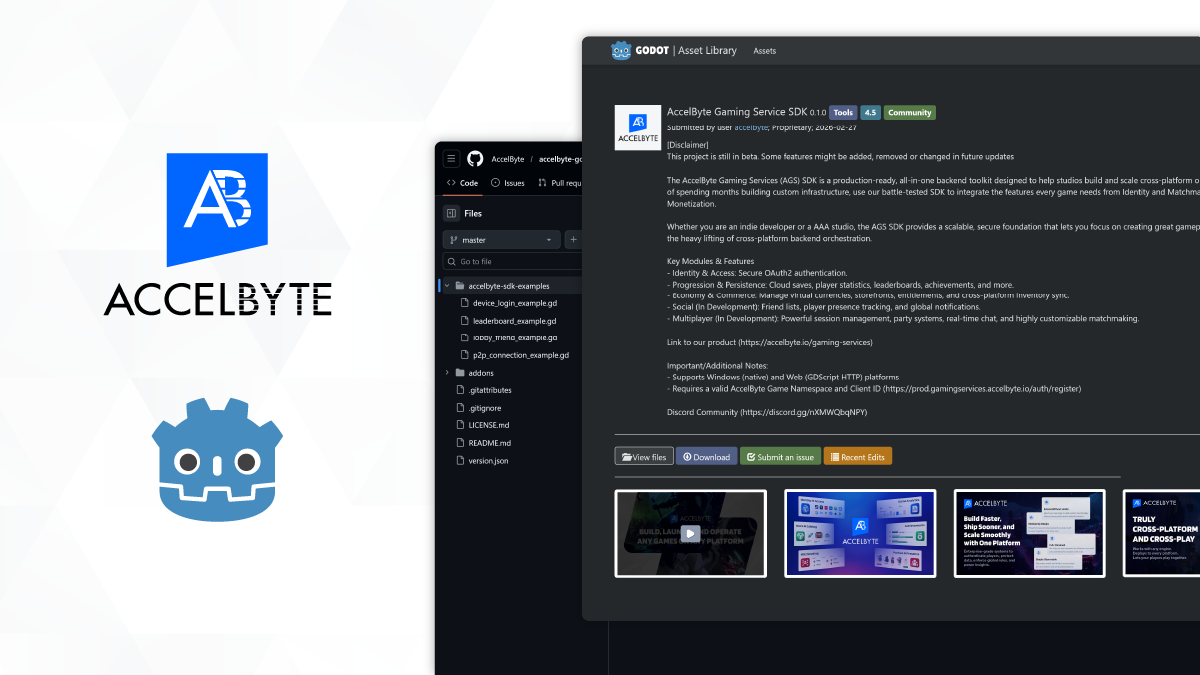
Adobe Gaming SDK L Spot Site129 1024x1024 . Get Started With Adobe AIR SDK Unity Grow Unity Docs GetImage. Top Gaming Trends Of 2026 AI . Discover The New Wave Of Cosmos SDK Games For 2024 Discover The New Wave Of Cosmos SDK Games For 2024 1 1024x576 . AccelByte Gaming Services SDK Is Now Available For Godot Developers Website Featured Thumbnail Meta Image 1200x675px Mar 05 2026 11 11 42 0881 AM




What SDKs Do Top Apps Use A 2026 Looking Breakdown . Claude Agent SDK Mastery 2026 Foundatio Claude Agent SDK In TypeScript Claude Agent SDK Mastery 2026 Foundatio Claude Agent SDK TypeScript 2026 Core Principles Initial Setup Developers New AI Agent Programming Book 1 Pap 2d2f658c Ab29 4eb1 80c6 . Adobe Gaming SDK Download Softpedia Adobe Gaming SDK 1 . Which Game Shield SDK Is Best 2026 Real Comparison Avoid Costly Mistakes Gaming Sdk Ddos 1 . Syncfusion Document SDKs 2026 Volume 1 Smarter PDF Word And Excel Image011


Adobe Web SDK Why And How To Upgrade Adobe Web SDK Why And How To Upgrade . OpenAI S Agents SDK 2026 Update What S New In Building AI Agents SDK Agent . Snapdragon Game AI SDK Launch At GDC 2026 On Device AI Gaming Image . Popular AR SDK Platforms In 2026 Explained Best Augmented Reality AR SDKs To Use In 2026 . Agent SDK What It Is And How It Powers Modern AI Agents 2026 Agent Sdk What It Is And How It Powers Modern Ai


Agent SDK What It Is And How It Powers Modern AI Agents 2026 Features Of Modern Agent Sdks . What SDKs Do Top Apps Use A 2026 Looking Breakdown Cover. The Adobe Web SDK YouTube . Most Anticipated Games Coming In 2026 For Every Platform 2026 Most Anticipated Games . Getting Started With The Adobe Experience Platform Mobile SDK Media

Adobe Game Developer Tools Part Of Creative Cloud In Flagrante Delicto Welcome