Navigating the world of Steam Trading Cards offers a unique blend of collection, customization, and potential profit for gamers who balance busy lives with their passion for play. This guide provides essential information and practical tips for understanding, acquiring, and leveraging trading cards from various games on the Steam platform. For the average US gamer, aged around 36, who dedicates 10 or more hours weekly to gaming amidst work and family, these cards represent a low-effort way to enhance their digital experience. Discover how these digital collectibles can transform your Steam profile, offer a small but consistent stream of market credit, and add an extra layer of engagement to your favorite titles. Whether you are looking to customize your profile with unique backgrounds and emoticons, or simply want to convert idle card drops into credit for your next game purchase, this resource covers everything you need to know about games with Steam Trading Cards, helping you maximize your gaming value without adding more to your already packed schedule.
How do Steam Trading Cards benefit a gamer's profile?
Steam Trading Cards allow gamers to customize their profiles significantly. By collecting full sets and crafting badges, you earn XP to increase your Steam Level, which unlocks more profile showcases. Additionally, crafting badges grants exclusive emoticons and profile backgrounds related to the game, letting you personalize your digital identity and showcase your gaming tastes to friends and the wider Steam community. It's a low-effort way to add flair and prestige.
What's the easiest way to start collecting cards?
The easiest way to start collecting Steam Trading Cards is simply to play eligible games in your library. Cards will passively drop into your inventory as you accumulate playtime. Many popular games you likely already own support them. After exhausting your drops, you can easily trade with friends or buy missing cards on the Steam Community Market to complete sets and craft badges, requiring minimal active effort.
Are all games on Steam eligible for trading cards?
No, not all games on Steam are eligible for trading cards. Developers must opt-in to enable trading card support for their titles. You can check a game's Steam store page for a dedicated section indicating 'Steam Trading Cards' to confirm its eligibility before purchasing or playing, ensuring you maximize your card-earning potential.
Can I get cards from free-to-play games?
Yes, some free-to-play (F2P) games offer Steam Trading Cards, but the mechanics are slightly different. Typically, for F2P titles, cards start dropping only after you've made a certain amount of in-game purchases within that game, usually equivalent to the price of a full-retail game. This ensures a fair system while still rewarding active F2P players who invest in the game.
What determines a card's market value?
A card's market value on the Steam Community Market is primarily determined by supply and demand. Factors like rarity (foil cards are rarer), popularity of the game, aesthetic appeal of the card's artwork, and current demand for crafting badges all influence its price. Newer games might see higher initial card values, while cards from older, less played games could also become valuable due to scarcity.
How do I turn card earnings into more games?
To turn your Steam Trading Card earnings into more games, simply sell your collected cards on the Steam Community Market. Once sold, the funds are automatically deposited into your Steam Wallet. You can then use your Steam Wallet balance just like cash to purchase any game, DLC, or other items available in the Steam store, directly funding your next gaming adventure.
Is it worth crafting badges as a casual player?
Yes, crafting badges is absolutely worth it for casual players. It's a low-stress way to gain Steam Profile XP, which helps increase your overall Steam Level and boosts your chances of receiving valuable booster pack drops. Plus, you get unique profile backgrounds and emoticons, offering fun customization options without needing to dedicate excessive time or effort to the process. It enhances your profile passively.
Hey fellow gamers! We know the drill. You love diving into your favorite virtual worlds, but between work, family, and everything else life throws your way, time is a precious commodity. You want maximum fun, relaxation, and value from your gaming hours, not more hassle. That's why we're here to talk about something often overlooked but incredibly beneficial for US gamers like us: games with Steam Trading Cards.
For many of us, gaming isn't just a hobby; it's a vital escape, a way to connect with friends, and sometimes, a little competitive outlet. With 87% of US gamers regularly playing and averaging over 10 hours a week, optimizing our experience without demanding more time is key. Steam Trading Cards offer a unique opportunity to enhance your Steam profile, collect unique digital items, and even earn a little extra Steam Wallet credit, all by simply playing the games you already own and love. No huge time commitment, no complex setup—just passive perks. This comprehensive guide will demystify Steam Trading Cards, helping you understand their value, how to get them, and how to make the most of them for your busy gamer lifestyle.
What Exactly Are Steam Trading Cards and How Do They Work?
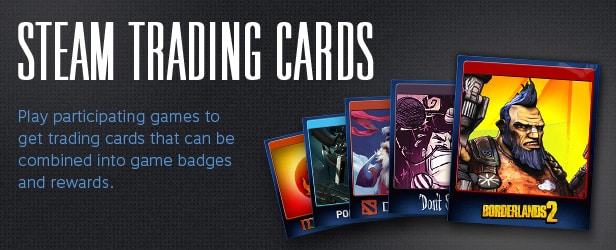
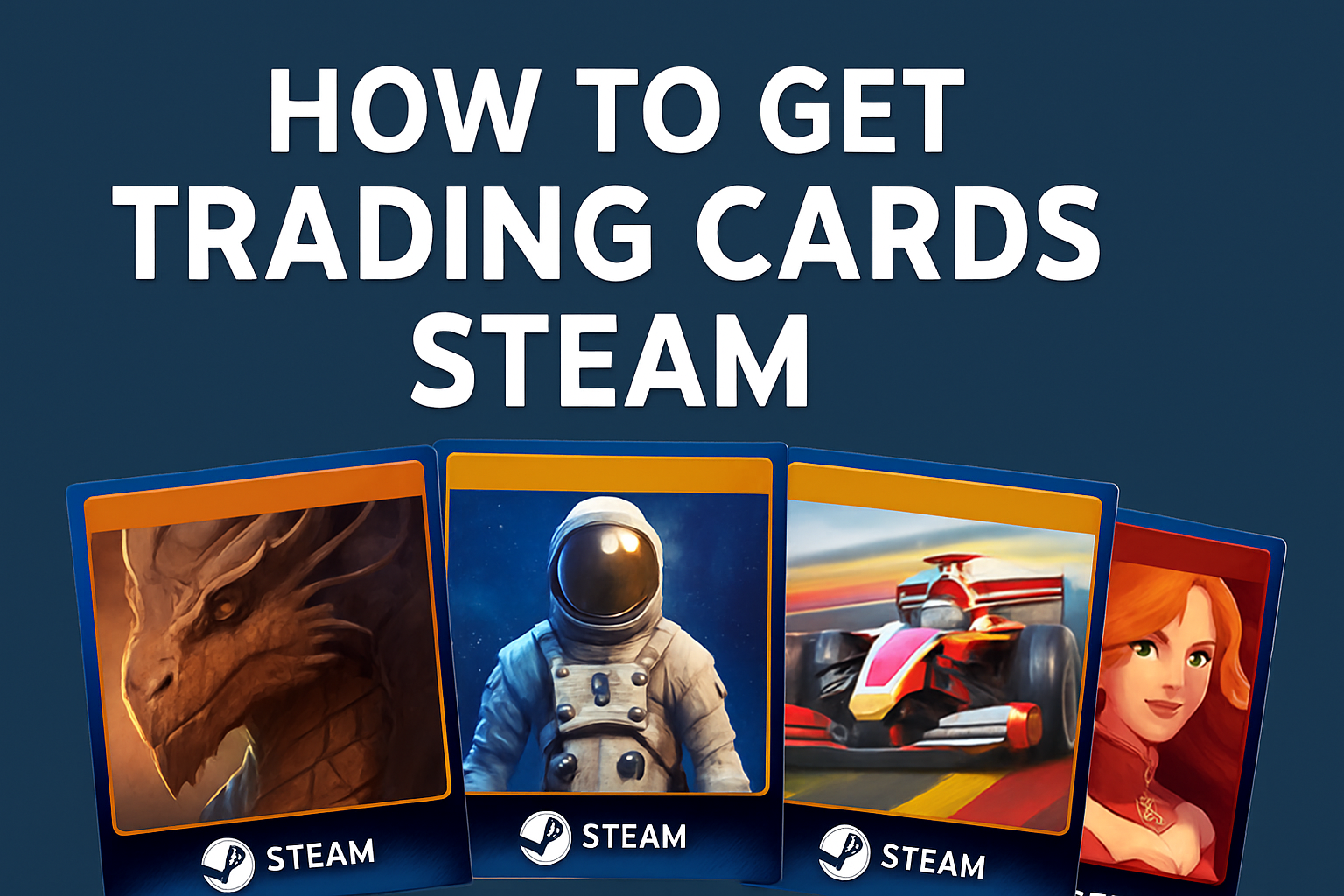
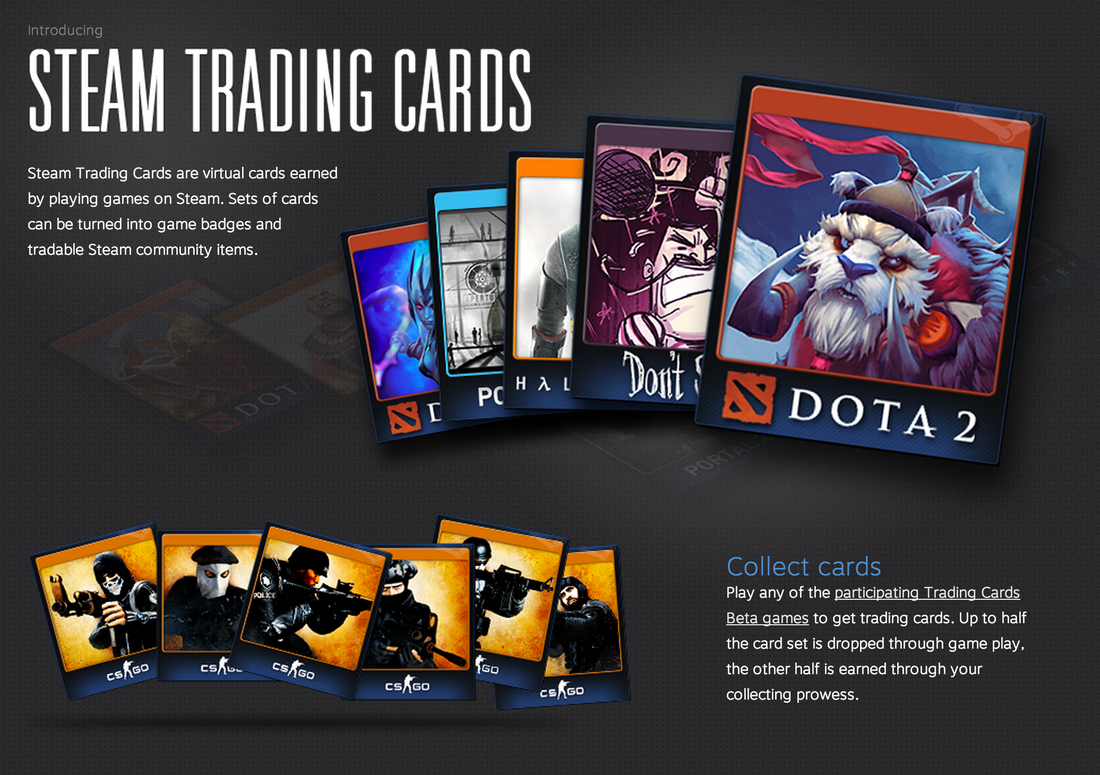
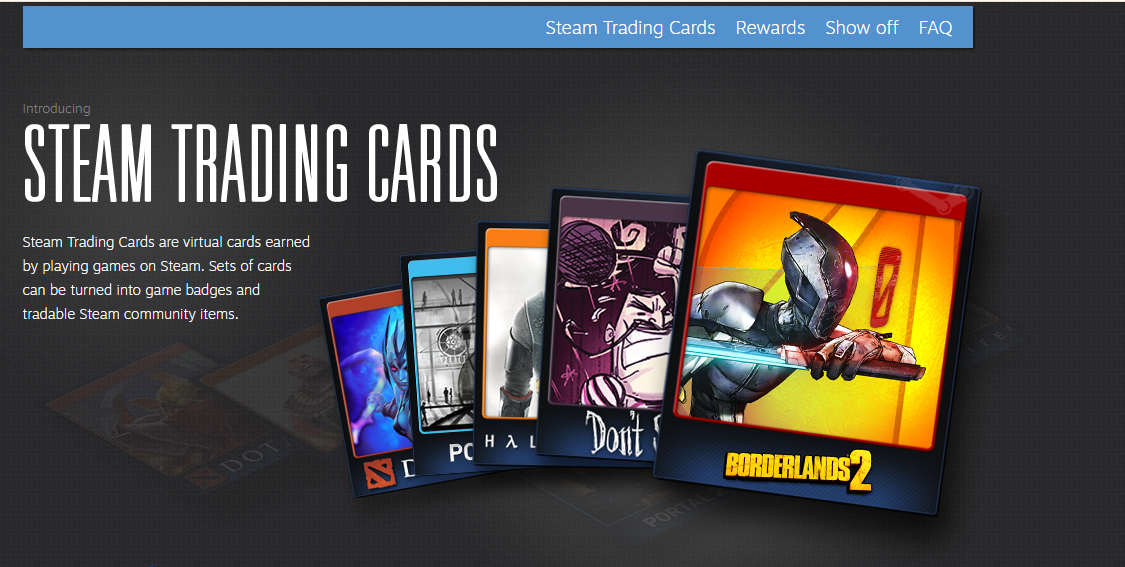
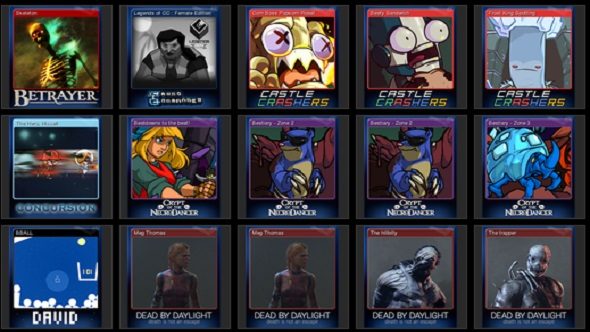
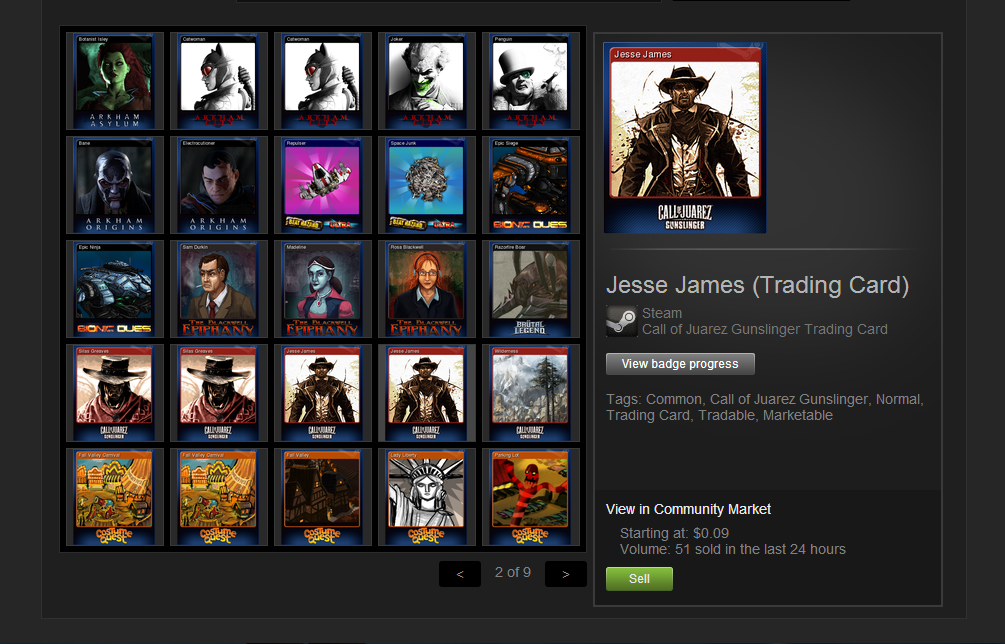
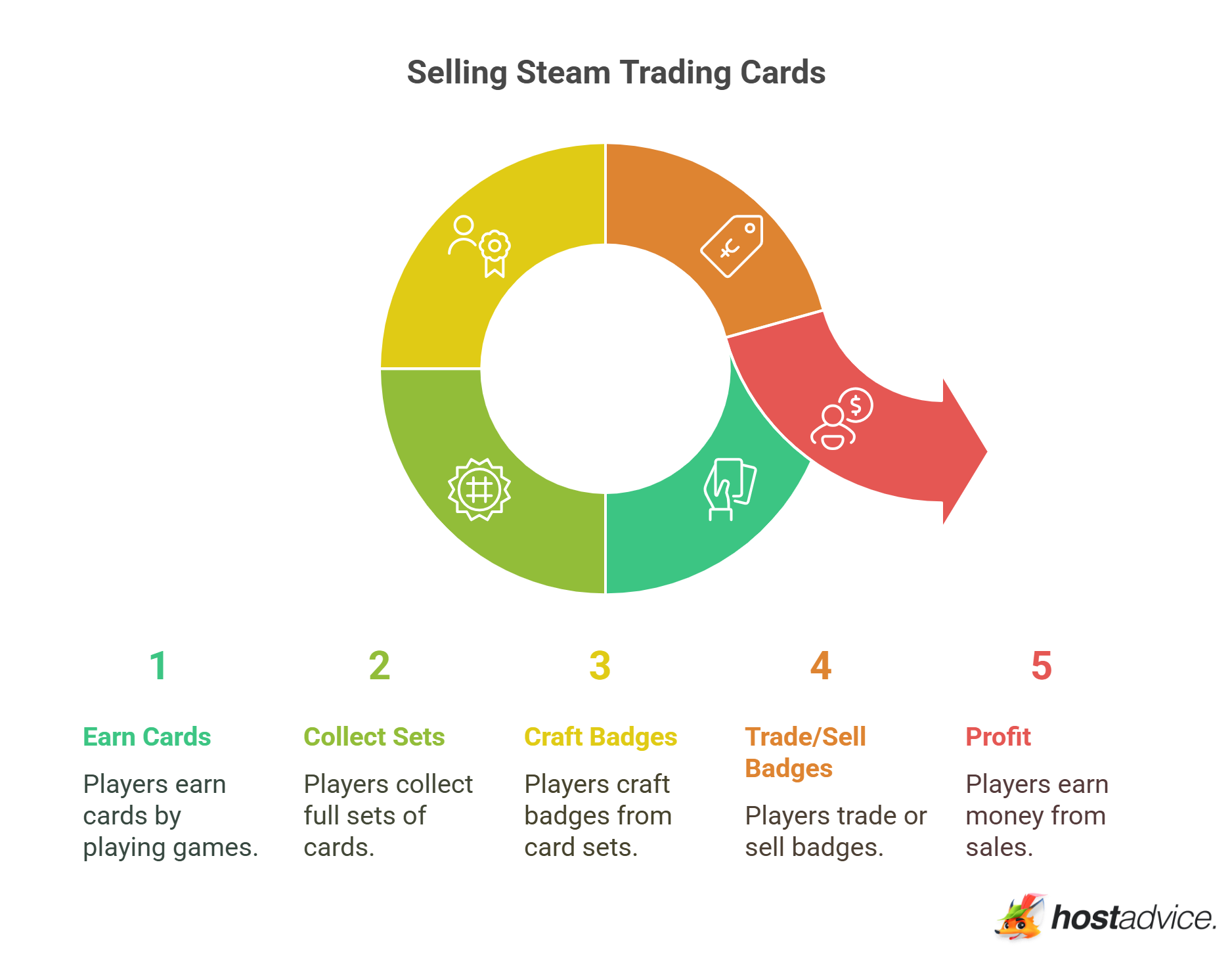
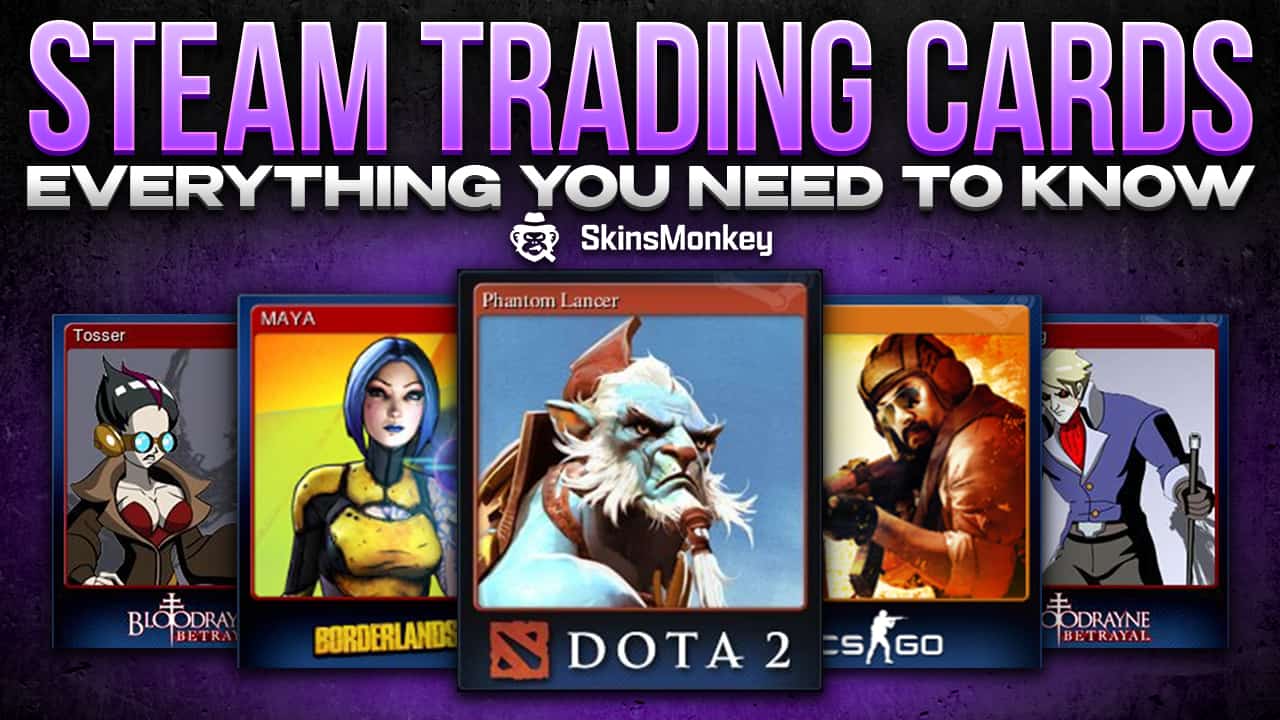
Steam Trading Cards are digital collectibles you can earn by playing eligible games on the Steam platform. Think of them as virtual playing cards featuring artwork, characters, or elements from your favorite titles. When you play a game that supports them, you'll periodically receive card drops into your inventory. Collecting a full set of cards from a specific game allows you to craft a game badge, which in turn levels up your Steam profile, grants profile customization items like emoticons and profile backgrounds, and offers an opportunity to earn more booster packs.
The core mechanism is straightforward: play the game, get cards. Each game has a limited number of card drops you can receive simply by playing. Once you've received all your potential drops, you won't get any more from that specific game unless you buy them or trade for them. This system ensures a fair distribution and encourages interaction within the Steam marketplace.
Why Should Busy Gamers Care About Steam Trading Cards?
As gamers who juggle responsibilities, we're always looking for ways to maximize our gaming value. Steam Trading Cards fit perfectly into this philosophy. Firstly, they offer a passive way to gain Steam Wallet funds. Those duplicate cards or cards from games you've finished can be sold on the Steam Community Market for a few cents each. Those cents add up, helping offset the cost of new games or DLC. Imagine chipping away at your next purchase just by playing through your existing library! This value-for-money aspect is particularly appealing for budget-conscious players.
Secondly, they provide a fantastic avenue for profile customization. Crafting badges not only increases your Steam Level—which can be a point of pride among social gamers and friends on Discord—but also unlocks unique profile backgrounds and chat emoticons. These personalized touches allow you to express your gaming identity and showcase your favorite titles without spending extra cash. In a social gaming landscape where showing off your unique style is becoming more prominent, these cards offer an accessible way to stand out.
How Do You Get Steam Trading Cards While Playing?
Getting Steam Trading Cards is surprisingly simple: just play the game. Most games with trading card support will drop a certain number of cards into your Steam inventory as you play. There's no minimum playtime required per session, but generally, cards drop after accumulating some playtime. You don't need to 'win' or achieve specific milestones; simply having the game running often suffices. This makes it an ideal passive activity for gamers who might only have short bursts of time to play, or even those who leave games idling occasionally.
Typically, you receive about half the total number of cards required for a full set from drops. For example, if a game has 10 cards in its set, you might get 5 from playing. The remaining cards must be obtained through trading with other players, purchasing them from the Steam Community Market, or receiving a booster pack. Booster packs contain three random cards from a game and are occasionally dropped to eligible players based on their Steam Level and how many booster-eligible games they own.
Which Games Offer the Best Steam Trading Card Drops?
When looking for games with valuable trading cards, it's not always about the most popular titles. Often, indie games or older gems can yield surprisingly valuable cards due to lower supply or unique artwork. While major titles like Counter-Strike 2 and Dota 2 do have cards, their market is often saturated. For busy gamers, focusing on games you genuinely enjoy that *also* have trading cards is the best approach.
- Established Indie Hits: Games like Stardew Valley, Terraria, or Hollow Knight consistently have active card markets.
- New Releases: Keep an eye on new games that launch with card support. Early adopters can sometimes capitalize on higher initial card prices before supply catches up.
- Highly Rated but Niche Titles: Explore well-reviewed games that aren't necessarily AAA blockbusters. Less common games can have rarer cards.
- Games from Sales/Bundles: Often, titles acquired through sales or bundles that support cards can be a goldmine as you've effectively paid very little for the game itself, making any card earnings pure profit.
Checking a game's Steam store page will always tell you if it supports trading cards. Look for the 'Steam Community Market' and 'Steam Trading Cards' sections on the right-hand side of the page.
Can You Really Make Money from Steam Trading Cards?
Yes, absolutely! While you won't get rich overnight, selling your excess Steam Trading Cards can generate a steady stream of Steam Wallet funds. Each card typically sells for a few cents, but if you have a large library of games, these small amounts quickly add up. For example, selling cards from 20-30 games could easily net you enough for a budget-friendly indie game or a significant discount on a AAA title during a Steam Sale.
The market value of a card fluctuates based on supply and demand. Rarer foil cards, for instance, can fetch significantly higher prices. It's not uncommon to see a common card sell for 5-15 cents, while a foil might go for several dollars. This month's trends continue to show that even small transactions on digital marketplaces like Steam contribute to a gamer's overall value strategy, especially for those managing budgets for their entertainment.
Tips for Maximizing Your Steam Trading Card Earnings.
Making the most of your Steam Trading Cards requires a little strategy, but nothing too complex for busy gamers. Here are some actionable tips:
- Sell Immediately: Often, newly released game cards fetch higher prices shortly after launch. If you're not planning to craft a badge, selling cards as soon as you get them can be beneficial.
- Check Market Prices: Before listing, always check the current market price of your card on the Steam Community Market. Adjust your listing price to be competitive, but don't undercut yourself too much.
- Use Automated Tools (Carefully): Some third-party tools (like Steam Idle Master or ArchiSteamFarm) can automatically idle games to drop cards, saving you time. Always use these with caution and from reputable sources to avoid account issues. Ensure they comply with Steam's terms of service.
- Convert Gems: If you have duplicate emoticons or backgrounds from crafting badges, you can convert them into Gems, which can then be used to create booster packs or sold on the market.
- Participate in Sales: During Steam sales, badge crafting often becomes more active due to sale-specific badges, driving up card demand. Consider holding onto some cards for these periods.
What is Card Crafting and Why Do It?
Card crafting is the process of combining a complete set of Steam Trading Cards from a specific game to create a game badge. This badge then appears on your Steam profile. But it's more than just a digital trophy:
- Steam Level Boost: Each crafted badge adds 100 XP to your Steam Level, unlocking more profile showcases and increasing your chances of receiving booster pack drops.
- Profile Customization: Crafting a badge grants you a random emoticon and a random profile background related to that game. These items can be kept, traded, or sold.
- Showcasing Dedication: For many, a high Steam Level and an array of crafted badges are a badge of honor, showcasing their dedication to gaming and specific titles. This taps into the social aspect of gaming, where achievements and collections are often shared and admired among friends and community members.
For gamers balancing work and life, crafting badges is a satisfying long-term goal that doesn't demand constant attention. You collect cards passively, and when you have a full set, a few clicks turn them into something tangible for your profile.
Balancing Trading Cards with Your Gaming Time
The beauty of Steam Trading Cards is that they integrate seamlessly into your existing gaming habits. You don't need to dedicate extra time *specifically* to card hunting. Simply play your games, enjoy your experience, and the cards will drop. When you have a few minutes during a break or while winding down, you can quickly check your inventory, list cards on the market, or craft a badge.
For the average gamer aged 36, who values efficient use of their entertainment time, this passive engagement is a huge plus. It’s an added layer of meta-gameplay that enriches your Steam ecosystem without becoming another chore. It's about optimizing the fun and value you get from your gaming, not adding to your to-do list.
Common Pitfalls to Avoid with Steam Trading Cards
While generally low-risk, there are a few things to watch out for:
- Overpaying for Cards: Don't spend more on buying cards than the potential market value of the badge or the card itself. The goal is value, not breaking even or losing money.
- Scams: Be wary of unsolicited trade offers or links claiming to offer free cards. Always use the official Steam Community Market for buying and selling.
- Idling Too Aggressively: While idling programs can be useful, avoid overdoing it or using unverified software that might violate Steam's terms of service or compromise your account. Stick to reputable, well-known tools if you choose to use them.
- Ignoring Your Inventory: Cards won't sell themselves! Periodically check your inventory for new drops and list them on the market. A quick check once a week or every few days is usually sufficient.
Staying vigilant ensures your card collection and trading experience remain positive and secure.
Where to Buy and Sell Steam Trading Cards Safely?
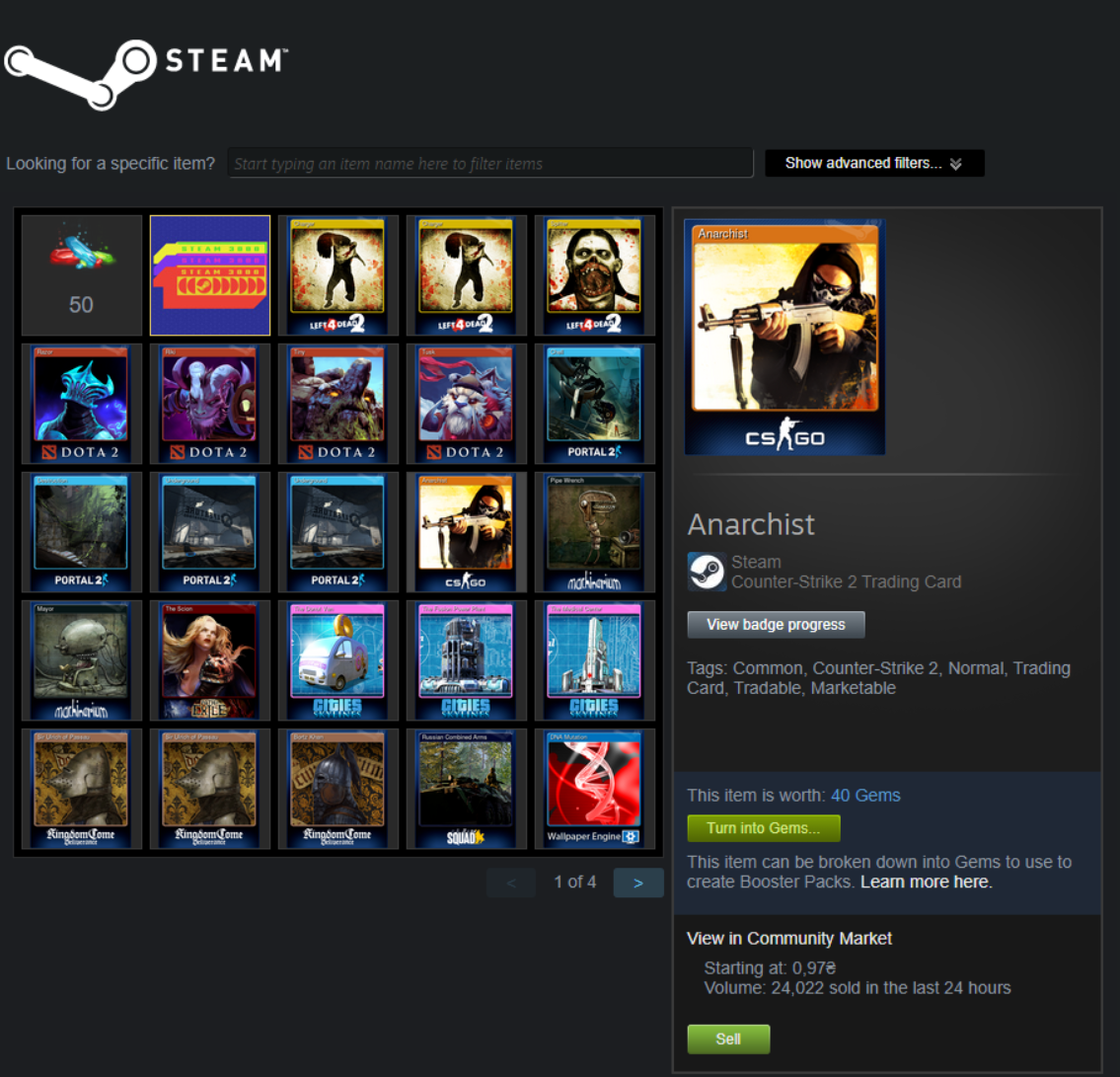
The only truly safe and recommended place to buy and sell Steam Trading Cards is the Steam Community Market. It's integrated directly into the Steam client and website, ensuring secure transactions and handling all the payment processing via your Steam Wallet.
To access it: Open your Steam client, go to 'Community' then 'Market'. You can search for specific cards or view your inventory items and list them for sale. When selling, Steam takes a small transaction fee, which is automatically deducted from the final sale price. This system is designed for ease of use and protection for both buyers and sellers, making it ideal for gamers who don't want to deal with the complexities of external marketplaces or potential scams.
FAQ Section
Do all Steam games have trading cards?
No, not all Steam games support trading cards. Developers must choose to implement them. You can easily check if a game has cards by looking at its store page on Steam; there will be a section indicating 'Steam Trading Cards' if supported.
Can I get trading cards from free-to-play games?
Yes, some free-to-play games do offer trading cards. However, for these games, cards usually drop after you've made in-game purchases equivalent to the cost of a full-price game, or by purchasing cards directly from the market.
How often do Steam Trading Cards drop?
Card drops are somewhat randomized but occur after you've accumulated a certain amount of playtime in an eligible game. There's no fixed timer, but typically after 30 minutes to a few hours of gameplay, you might receive a drop. The system aims to distribute drops evenly over your playtime up to the maximum limit.
Is it worth crafting badges for a casual player?
Absolutely! Even casual players can benefit. Crafting a badge boosts your Steam Level, potentially earning you more booster packs in the long run. Plus, the profile customization items (emoticons, backgrounds) are a fun way to personalize your profile without any extra cost or significant time investment.
What's the best way to convert my card earnings into new games?
Simply sell your cards on the Steam Community Market. The funds are added directly to your Steam Wallet, which you can then use to purchase any game, DLC, or in-game item on Steam. It's a direct and efficient way to turn your collectibles into new gaming experiences.
Can I trade cards directly with friends?
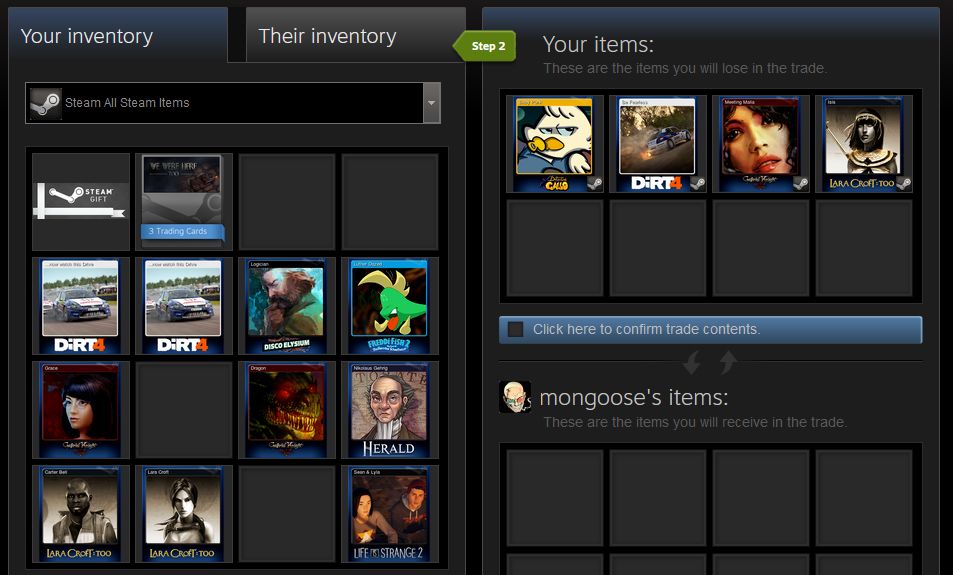
Yes, you can! You can initiate a trade offer directly with any friend on Steam. This is a great way to complete sets faster if your friends have cards you need, or vice-versa, fostering community interaction and helping each other optimize your collections.
Are foil trading cards more valuable than regular cards?
Generally, yes. Foil cards are much rarer drops and are required to craft a
Unlock profile customization, earn Steam Wallet funds, passively collect digital assets, discover value in your game library, engage with the Steam community economy, extend game value beyond gameplay, understand the market for cards, learn card crafting for badges.
35



Best Free To Play Trading Card Game Games On Steam June 2026 Share. How To Make Money On Steam 10 Best Methods To Earn Steam Trading Cards . Steam Card Purpose At David Dicken Blog . Sledders Steam Trading Cards Now Available Games Press Sledders Steam TCG V1 . The Ultimate Guide To Steam Gift Cards 2026 Edition GAMIVO BLOG Steam Gift Card Guide Scaled




The Value Of Steam Trading Cards LevelUpTalk Steam Trading Cards Collection 04 28 2026 65ede764 6d50 447c B9b5. The Most Played Games On Steam For 2026 So Far Cheat Code Central Most Played Games Steam 2026 2048x1167 . Topps Premier League 2026 Debut Edition Trading Cards Mega Multipack Topps Premier League 2026 Trading Card Saka . How To Idle Auto Farm Steam Cards Putachi Steam Trading Cards. How To Get Trading Cards Steam Ca661d2e 7953 47fe 98eb



Best Trading Card Game Games On Steam June 2026 Wasdland Com Share. Steam Trading Cards What They Are How To Trade Or Sell Them How To Sell Cards Quickly On Steam . The Value Of Steam Trading Cards LevelUpTalk Steam Trading Cards Collection 04 28 2026 65ede764 6d50 447c B9b5. Steam Trading Just Got A Huge Upgrade Thanks To Valve S New Community Steam Community Marketplace Update May 2026 Valve Store Trading Cards Buying And Selling Items Listings 550x309 . 7 Best Card Games On Steam In 2026 Chrono Ark Steam Screenshot


Trading Card Singles Three Kingdoms Games Best Trading Card Games 2024.webp. Top 10 Steam Card Games In 2026 Image. Valve Unveils Steam Trading Cards For Players To Earn And Trade For Rewards Steam Trading . Rekomendasi Game Steam Spring Sale 2026 Wajib Beli Steam Awards 2025 Winners 1024x576 . Steam Uses Trading Cards Psychology To Sell Games Hero 17471



Steam Trade Ban Explained What It Is Who Gets One And How To Check Yours . 7 Best Card Games On Steam In 2026 Best Card Games On Steam In 2026 . What Are Steam Trading Cards Make A Little Extra Wallet Credit . How To Get Trading Cards Steam Capture 11 . Top 23 Best Collectible Trading Card Games Best Tcgs



Steam Trading Cards Liquipedia Dota 2 Wiki 500px Steam Trading Cards . Steam Trading Cards Will Now Only Be Offered With Legitimate Games Steam Trading Cards 590x332 . Steam Sale Dates 2026 When Is The Next Steam Sale. Steam S Monopoly And The Uphill Battle For Competition . Is It Really Worth Selling Steam Trading Cards RPG Overload What Are Steam Trading Cards

How To Make Money On Steam 11 Proven Strategies 2026 Selling Steam Trading Cards Visual Selection . Best Card Games On Steam In 2026 MARVEL SNAP 1536x864 . Steam Trading Just Got A Huge Upgrade Thanks To Valve S New Community Steam Community Market Update May 2026 Valve Store Trading Cards Expedition 33 Filters . What Are Steam Trading Cards And How Do You Get Them Trading Steam Cards . Steam Card Exchange Stc2